ScrewSense puts load and motion sensing inside a standard-sized bone screw
ScrewSense provides a complete sensing system into a standard sized bone screw. Miniature strain gauges measure the forces acting on the screw, while a six-axis motion sensor tracks its orientation and rotation. Powered by a tiny battery and equipped with a Bluetooth Energy link, ScrewSense is able to send readings to a mobile app (which then synchronizes to a secure dashboard in the cloud) for up to three months.
Clinical Need
Once hardware is implanted, healing is inferred from radiographs and the patient's symptoms, which can make it difficult to have an accurate picture of the mechanical reality. Overload, micromotion, loosening, and delayed union surface late, so weight-bearing progression and return to activity are decided with little objective information about the progress of a patient's healing.
Screw's are the most common implant in orthopaedics, with around 125 million being used worldwide in 2024,1 and is one of the most frequent reasons fixation fails in plates where poor quality bone is present. Putting a sensing element of an implant allows early detection of many types of complications and events, while also providing a picture of how the patient is healing. Placing that element inside of a screw, rather than in a plate, a stem, or another external unit enables sensing without changing hardware or how operations are performed.
1 Plates and Screws Market Overview, 2024. Market Growth Reports, MGR111286.
| Where a sensing screw helps | What it is designed to show |
|---|---|
| Fracture plat fixation | Load carried by the screw and micromotion |
| Poor-quality bone | Screw load and motion over time |
| Acetabular shell and baseplate screws | Early loosening and micromotion |

Delivered Under the Grant
Funded by the Innovate UK through the Growth Catalyst Early Stage: New Innovators competition, Sonador worked from November 2025 to May 2026 to deliver a working prototype for ScrewSense including:
Smart Bone Screw
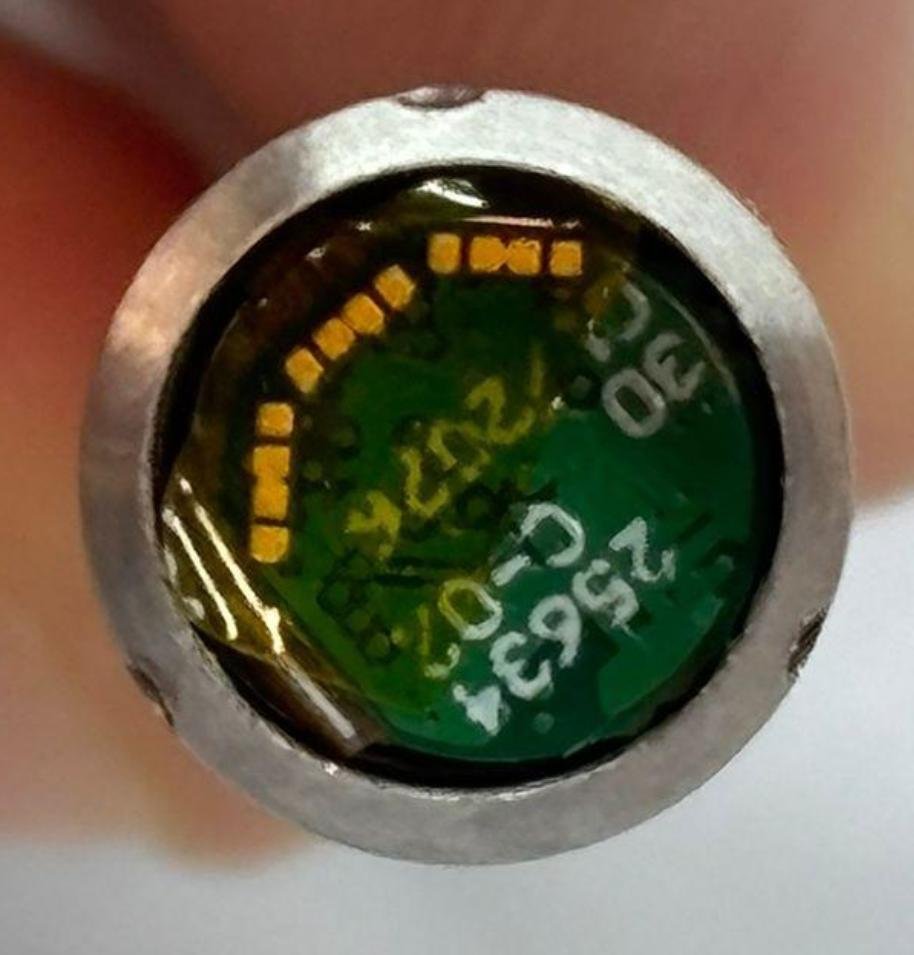
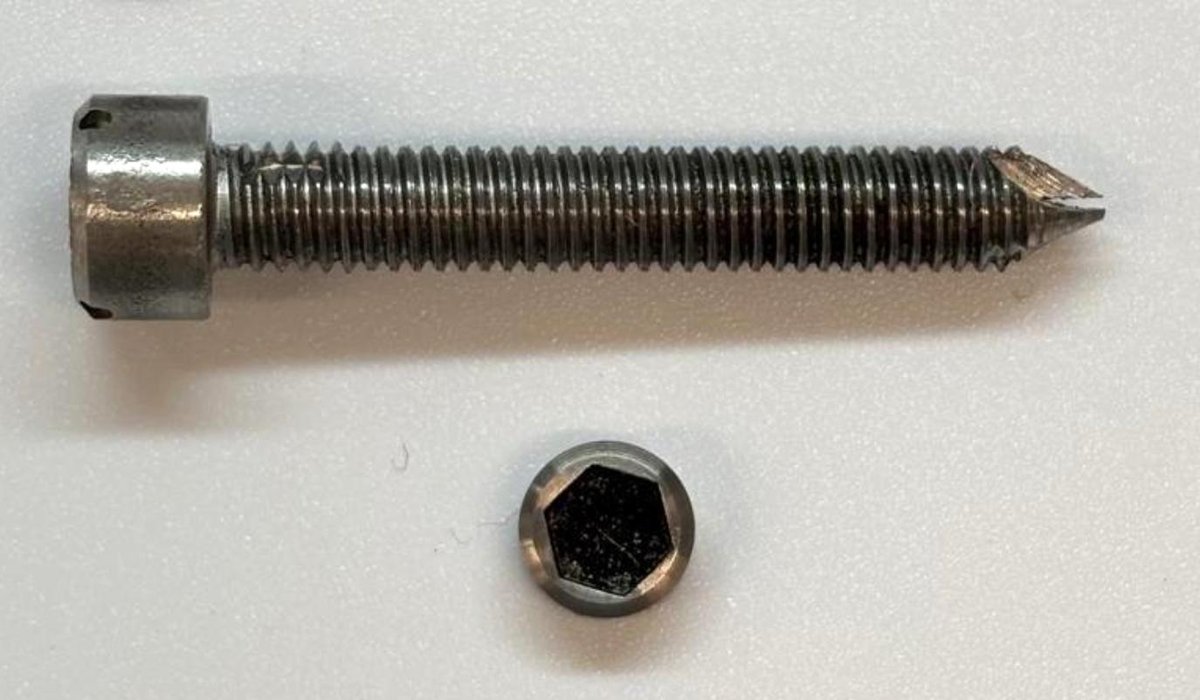
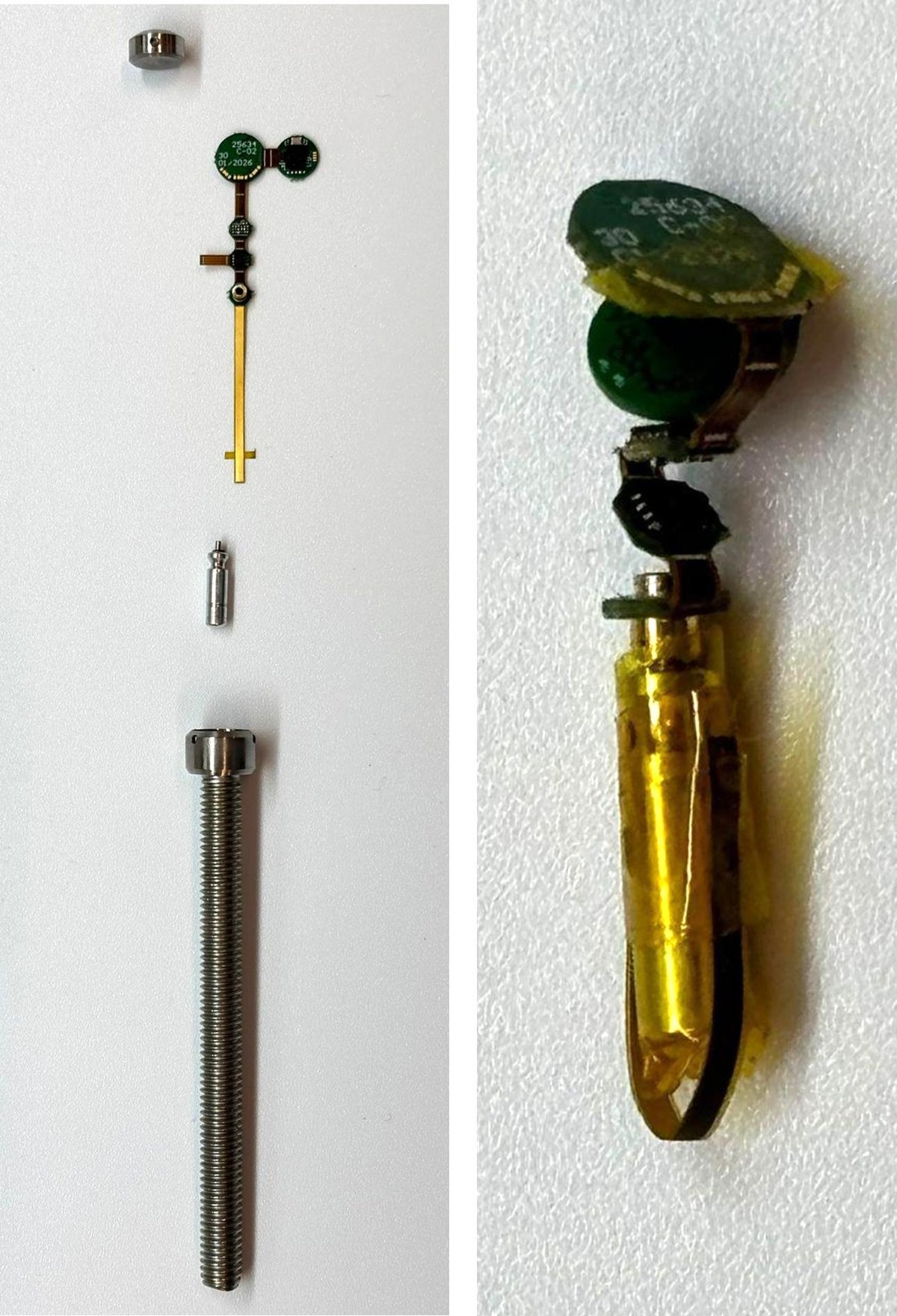
A working system including sensors, electronics, and a battery housed in the footprint of a standard surgical screw. Using standard, off the shelf surgical hardware, would allow for use of ScrewSense in multiple clinical applications without necessitating change to surgical technique.
Custom Microelectronics
Folding flex-rigid circuit boards that combine strain sensing, motion sensing, on-board memory, and wireless communications in a space a few millimeters in width.
Metal Prototypes
Machined screw bodies built from detailed manufacturing drawings, allowing functional testing of the microelectronics and software.
Wireless data broadcast from the implant
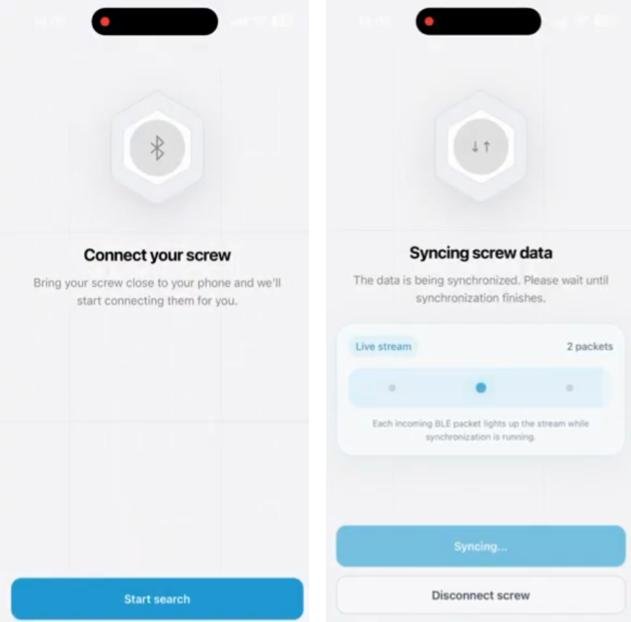
Live force and motion data streamed over Bluetooth Low Energy to an iOS app.

Secure cloud platform for data collection and management
Custom dashboard application to manage patient enrollment, data collection/analysis, and enable the training of algorithms for detecting bone healing and early signs of loosening.
Beyond the Screw
Most smart implants are built into a single product, such as a knee stem, a hip screw, or a fracture plate. ScrewSense is designed as an open, device-agnostic platform. The same sensing core is designed to adapt to fracture plates, intramedullary nails, acetabular shells, tibial trays, shoulder baseplates, and check-point pins for robotic surgery.
Next Phase
With the prototype complete, Sonador is moving ScrewSense into verification and validation: pre-production units, bench testing of sensor accuracy and mechanical strength, biocompatibility testing and pre-clinical studies.

Implant to dashboard.
One team.
Mechanical design
Implant engineering, manufacturing drawings, and machined prototypes.
Microelectronics and firmware
Miniature sensing boards, power management and wireless.
Apps and secure cloud
Phone capture, clinical dashboards, and data management.
Quality and regulatory
Product designed and being built in compliance with ISO13485, with regulatory planning from the start.
ScrewSense is an investigational device under development. It is not available for sale and has not been cleared or approved by any regulatory authority. Outputs described are design intent, no clinical performance has been established.
Project 10170364 was funded by Innovate UK, part of UK Research and Innovation through the Growth Catalyst Early Stage: New Innovators competition.